



0
50
0
Millie Zemlak Millie_Zemlak
(NewsUSA) - Are all those stories about crippling student debt having an effect on college campuses? Just ask post-Millennials now trying - albeit not always successfully - to avoid being saddled with the same heavy burden of debt as their predecessors.
According to Fidelity Investments' new "College Savings: Lessons Learned Study," not only did 83 percent of current college students surveyed consider what their total costs would be before matriculating - just 69 percent of recent graduates had such foresight - but 39 percent of them said the potential price tag was such "a huge factor" that they purposely limited their choice of schools to the most affordable. Only 32 percent of recent graduates, alas, had shown similar restraint.
"It seems today's college students are perhaps more aware of the financial situation they entered into than those who graduated before them," said Melissa Ridolfi, Fidelity's vice president of retirement and college leadership. "That's a positive development."
All told, student debt in the U.S. now totals more than $1.5 trillion - second only to mortgage debt, Forbes reported. And the 69 percent or so of the Class of 2018 who took out student loans graduated with an average debt balance of $29,800.
So you can understand why recent graduates would be so stressed out over whether they'd ever be able to pay off their loans that they're now having second thoughts about their decisions:
* 40 percent said that while they don't regret going to college, they would've made different choices in hindsight.
* Only 14 percent felt the value of their education was worth more than the money they'd spent.
Oh, and future college students should listen up for this sage advice from the more than 4,000 respondents surveyed - all recent graduates, current undergraduates, and parents of either or both - on what would've done wonders to ease their own stress levels.
"When asked 'If you knew then what you know now when it comes to school selection, what would you do differently?' the number one answer for all respondents was 'I would've started saving earlier,'" Ridolfi said.
Which logically brings us to another key finding of the study: Only 17 percent of current students and recent graduates had taken advantage, prior to college, of what's arguably one of the best ways to fund higher education: 529 savings plans.
Unlike regular bank savings accounts, they provide a tax-advantaged way to save money to cover tuition, books and other education-related expenses at most accredited two- and four-year colleges, universities and vocational-technical schools.
The key phrase being "tax-advantaged." Meaning, earnings grow federal income tax-deferred and withdrawals for qualified expenses are free from federal (and, in many places, state) income taxes - thus affording the opportunity to have even more saved for college.
Significantly, Ridolfi said families using a 529 plan managed by Fidelity have been starting to sock money away earlier than ever before, with contributions beginning on average when the child is about age six and a half. Thirty-six percent of Fidelity 529s are even opened for beneficiaries under - yes - age 2.
You say a child hasn't even uttered his or her first complete sentence before they're two? Probably not. But just so you're not bushwhacked when they suddenly hit their late teens, free online resources like Fidelity's College Savings Learning Center and College Savings Quick Check - a calculator that even shows you the impact of saving a few dollars more a month - can help prepare you for what lies ahead.
Ref: Education - in Blogs
According to Fidelity Investments' new "College Savings: Lessons Learned Study," not only did 83 percent of current college students surveyed consider what their total costs would be before matriculating - just 69 percent of recent graduates had such foresight - but 39 percent of them said the potential price tag was such "a huge factor" that they purposely limited their choice of schools to the most affordable. Only 32 percent of recent graduates, alas, had shown similar restraint.
"It seems today's college students are perhaps more aware of the financial situation they entered into than those who graduated before them," said Melissa Ridolfi, Fidelity's vice president of retirement and college leadership. "That's a positive development."
All told, student debt in the U.S. now totals more than $1.5 trillion - second only to mortgage debt, Forbes reported. And the 69 percent or so of the Class of 2018 who took out student loans graduated with an average debt balance of $29,800.
So you can understand why recent graduates would be so stressed out over whether they'd ever be able to pay off their loans that they're now having second thoughts about their decisions:
* 40 percent said that while they don't regret going to college, they would've made different choices in hindsight.
* Only 14 percent felt the value of their education was worth more than the money they'd spent.
Oh, and future college students should listen up for this sage advice from the more than 4,000 respondents surveyed - all recent graduates, current undergraduates, and parents of either or both - on what would've done wonders to ease their own stress levels.
"When asked 'If you knew then what you know now when it comes to school selection, what would you do differently?' the number one answer for all respondents was 'I would've started saving earlier,'" Ridolfi said.
Which logically brings us to another key finding of the study: Only 17 percent of current students and recent graduates had taken advantage, prior to college, of what's arguably one of the best ways to fund higher education: 529 savings plans.
Unlike regular bank savings accounts, they provide a tax-advantaged way to save money to cover tuition, books and other education-related expenses at most accredited two- and four-year colleges, universities and vocational-technical schools.
The key phrase being "tax-advantaged." Meaning, earnings grow federal income tax-deferred and withdrawals for qualified expenses are free from federal (and, in many places, state) income taxes - thus affording the opportunity to have even more saved for college.
Significantly, Ridolfi said families using a 529 plan managed by Fidelity have been starting to sock money away earlier than ever before, with contributions beginning on average when the child is about age six and a half. Thirty-six percent of Fidelity 529s are even opened for beneficiaries under - yes - age 2.
You say a child hasn't even uttered his or her first complete sentence before they're two? Probably not. But just so you're not bushwhacked when they suddenly hit their late teens, free online resources like Fidelity's College Savings Learning Center and College Savings Quick Check - a calculator that even shows you the impact of saving a few dollars more a month - can help prepare you for what lies ahead.
Ref: Education - in Blogs
(NewsUSA) - Are all those stories about crippling student debt having an effect on college campuses? Just ask post-Millennials now trying - albeit not always successfully - to avoid being saddled with the same heavy burden of debt as their predecessors.<br />
<br />
According to Fidelity Investments' new "College Savings: Lessons Learned Study," not only did 83 percent of current college students surveyed consider what their total costs would be before matriculating - just 69 percent of recent graduates had such foresight - but 39 percent of them said the potential price tag was such "a huge factor" that they purposely limited their choice of schools to the most affordable. Only 32 percent of recent graduates, alas, had shown similar restraint.<br />
<br />
"It seems today's college students are perhaps more aware of the financial situation they entered into than those who graduated before them," said Melissa Ridolfi, Fidelity's vice president of retirement and college leadership. "That's a positive development."<br />
<br />
All told, student debt in the U.S. now totals more than $1.5 trillion - second only to mortgage debt, Forbes reported. And the 69 percent or so of the Class of 2018 who took out student loans graduated with an average debt balance of $29,800.<br />
<br />
So you can understand why recent graduates would be so stressed out over whether they'd ever be able to pay off their loans that they're now having second thoughts about their decisions:<br />
<br />
* 40 percent said that while they don't regret going to college, they would've made different choices in hindsight.<br />
<br />
* Only 14 percent felt the value of their education was worth more than the money they'd spent.<br />
<br />
Oh, and future college students should listen up for this sage advice from the more than 4,000 respondents surveyed - all recent graduates, current undergraduates, and parents of either or both - on what would've done wonders to ease their own stress levels.<br />
<br />
"When asked 'If you knew then what you know now when it comes to school selection, what would you do differently?' the number one answer for all respondents was 'I would've started saving earlier,'" Ridolfi said.<br />
<br />
Which logically brings us to another key finding of the study: Only 17 percent of current students and recent graduates had taken advantage, prior to college, of what's arguably one of the best ways to fund higher education: 529 savings plans.<br />
<br />
Unlike regular bank savings accounts, they provide a tax-advantaged way to save money to cover tuition, books and other education-related expenses at most accredited two- and four-year colleges, universities and vocational-technical schools.<br />
<br />
The key phrase being "tax-advantaged." Meaning, earnings grow federal income tax-deferred and withdrawals for qualified expenses are free from federal (and, in many places, state) income taxes - thus affording the opportunity to have even more saved for college.<br />
<br />
Significantly, Ridolfi said families using a 529 plan managed by Fidelity have been starting to sock money away earlier than ever before, with contributions beginning on average when the child is about age six and a half. Thirty-six percent of Fidelity 529s are even opened for beneficiaries under - yes - age 2.<br />
<br />
You say a child hasn't even uttered his or her first complete sentence before they're two? Probably not. But just so you're not bushwhacked when they suddenly hit their late teens, free online resources like Fidelity's College Savings Learning Center and College Savings Quick Check - a calculator that even shows you the impact of saving a few dollars more a month - can help prepare you for what lies ahead.<br />
<br />
Ref: Education - in Blogs
Read more
0
56
0
0

Millie Zemlak Millie_Zemlak
(NewsUSA) - Nurses remain an essential and trusted part of the health care system, and the nation faces an urgent need for nurses due to the COVID-19 outbreak.
The World Health Organization is also celebrating the value of nursing by designating 2020 as the International Year of the Nurse and the Midwife. In addition, 2020 is the 200th anniversary of the birth of Florence Nightingale, the 19th- century social reformer known as the founder of modern nursing.
The demand for nurses, and therefore for nurse educators, is likely to remain high, according to the National League for Nursing (NLN), as nurse educators are on the front lines teaching new nurses who are filling the shortages in hospitals and other health care settings.
Nurse educators will likely continue to be well paid. Data from the Bureau of Labor Statistics estimate the median salary for nurse educators at $73,490. They may work in academic settings, but some expand their focus to teaching in schools, businesses, hospitals, and community agencies.
The NLN shares some key advantages to becoming a nurse educator:
- Intellectual stimulation. Nurse educators know the latest research in the field, and have the ability to share it with others.
- Flexibility. Nurse education allows for more autonomy and a flexible schedule. Not to mention that technology allows educators to teach from anywhere in the world, at any time, from the beach to the ski slopes.
- Research. Nurse educators have opportunities for research and publication in scholarly journals to advance the field of nursing and their own careers.
- Meaning. The desire for a purpose-driven life steers many people to the nurse education field, where they can make a significant difference in a variety of ways.
- Fulfillment. Nurse educators rejoice in encouraging young students, and take pride in their accomplishments.
- Impact. Nurse educators, by shaping and developing the next generation of nurses and by working in their communities, will continue to impact the shape of healthcare for future generations.
- Inspiration. Everyone remembers the teacher or teachers who made a difference for them by giving them that extra encouragement, or helping them explore paths they might not have seen.
But quite possibly the number- one reason to become a nurse educator, according to the NLN, is the unique chance to "teach what you love."
Many career tracks exist for potential nurse educators. Teaching requires at least a master's degree in either education or nursing, but these degrees may be earned through a traditional college setting or through the variety of fully accredited programs now available online.
For more information about careers in nursing education, visit NLN.org.
Ref: Health - in Blogs
The World Health Organization is also celebrating the value of nursing by designating 2020 as the International Year of the Nurse and the Midwife. In addition, 2020 is the 200th anniversary of the birth of Florence Nightingale, the 19th- century social reformer known as the founder of modern nursing.
The demand for nurses, and therefore for nurse educators, is likely to remain high, according to the National League for Nursing (NLN), as nurse educators are on the front lines teaching new nurses who are filling the shortages in hospitals and other health care settings.
Nurse educators will likely continue to be well paid. Data from the Bureau of Labor Statistics estimate the median salary for nurse educators at $73,490. They may work in academic settings, but some expand their focus to teaching in schools, businesses, hospitals, and community agencies.
The NLN shares some key advantages to becoming a nurse educator:
- Intellectual stimulation. Nurse educators know the latest research in the field, and have the ability to share it with others.
- Flexibility. Nurse education allows for more autonomy and a flexible schedule. Not to mention that technology allows educators to teach from anywhere in the world, at any time, from the beach to the ski slopes.
- Research. Nurse educators have opportunities for research and publication in scholarly journals to advance the field of nursing and their own careers.
- Meaning. The desire for a purpose-driven life steers many people to the nurse education field, where they can make a significant difference in a variety of ways.
- Fulfillment. Nurse educators rejoice in encouraging young students, and take pride in their accomplishments.
- Impact. Nurse educators, by shaping and developing the next generation of nurses and by working in their communities, will continue to impact the shape of healthcare for future generations.
- Inspiration. Everyone remembers the teacher or teachers who made a difference for them by giving them that extra encouragement, or helping them explore paths they might not have seen.
But quite possibly the number- one reason to become a nurse educator, according to the NLN, is the unique chance to "teach what you love."
Many career tracks exist for potential nurse educators. Teaching requires at least a master's degree in either education or nursing, but these degrees may be earned through a traditional college setting or through the variety of fully accredited programs now available online.
For more information about careers in nursing education, visit NLN.org.
Ref: Health - in Blogs
(NewsUSA) - Nurses remain an essential and trusted part of the health care system, and the nation faces an urgent need for nurses due to the COVID-19 outbreak.<br />
<br />
The World Health Organization is also celebrating the value of nursing by designating 2020 as the International Year of the Nurse and the Midwife. In addition, 2020 is the 200th anniversary of the birth of Florence Nightingale, the 19th- century social reformer known as the founder of modern nursing.<br />
<br />
The demand for nurses, and therefore for nurse educators, is likely to remain high, according to the National League for Nursing (NLN), as nurse educators are on the front lines teaching new nurses who are filling the shortages in hospitals and other health care settings.<br />
<br />
Nurse educators will likely continue to be well paid. Data from the Bureau of Labor Statistics estimate the median salary for nurse educators at $73,490. They may work in academic settings, but some expand their focus to teaching in schools, businesses, hospitals, and community agencies.<br />
<br />
The NLN shares some key advantages to becoming a nurse educator:<br />
<br />
- Intellectual stimulation. Nurse educators know the latest research in the field, and have the ability to share it with others.<br />
<br />
- Flexibility. Nurse education allows for more autonomy and a flexible schedule. Not to mention that technology allows educators to teach from anywhere in the world, at any time, from the beach to the ski slopes.<br />
<br />
- Research. Nurse educators have opportunities for research and publication in scholarly journals to advance the field of nursing and their own careers.<br />
<br />
- Meaning. The desire for a purpose-driven life steers many people to the nurse education field, where they can make a significant difference in a variety of ways.<br />
<br />
- Fulfillment. Nurse educators rejoice in encouraging young students, and take pride in their accomplishments.<br />
<br />
- Impact. Nurse educators, by shaping and developing the next generation of nurses and by working in their communities, will continue to impact the shape of healthcare for future generations.<br />
<br />
- Inspiration. Everyone remembers the teacher or teachers who made a difference for them by giving them that extra encouragement, or helping them explore paths they might not have seen.<br />
<br />
But quite possibly the number- one reason to become a nurse educator, according to the NLN, is the unique chance to "teach what you love."<br />
<br />
Many career tracks exist for potential nurse educators. Teaching requires at least a master's degree in either education or nursing, but these degrees may be earned through a traditional college setting or through the variety of fully accredited programs now available online.<br />
<br />
For more information about careers in nursing education, visit NLN.org.<br />
<br />
Ref: Health - in Blogs
Read more
1
113
0
0

Alkuansinta Rohman alkocoko
As the most densely populated city in central Indonesia, Makassar offers a diverse array of captivating destinations for travelers. The strategic coastal position of Makassar makes it an important transit port for long-distance ships, serving routes from Surabaya to Papua. This strategic role is not new—since colonial times, Makassar has been a vital naval center, as evidenced by the magnificent presence of Fort Rotterdam.
The Rich History of Fort Rotterdam
Fort Rotterdam was first constructed in 1545 by the 9th King of Gowa, Daeng Matanre Karaeng Tumapa'risi' Kallonna. Originally named Fort Ujung Pandang, this fortress was later surrendered to the Dutch VOC under the Treaty of Bungaya in 1667.
The fort's architecture is truly impressive, featuring six sturdy bastions surrounded by seven-meter-high walls and a two-meter-deep moat as a defense system. During its golden era, this fortress served as the central collection point for spices from across the Indonesian archipelago before being traded to European markets, making it one of the most important economic hubs in Southeast Asia.
Transformation into an Educational Museum
Today, Fort Rotterdam has transformed into an educational museum that can be visited free of charge by all Indonesian citizens. The fortress atmosphere successfully maintains its classic ambiance, transporting visitors back to the colonial era.
Within the fort complex, invaluable historical artifacts are housed and can be enjoyed by visitors of all ages, from children to adults. This place serves as the perfect educational venue for understanding Indonesia's historical journey, particularly in the South Sulawesi region.
The museum showcases various collections that tell the story of Makassar's maritime heritage, colonial influences, and the rich cultural tapestry of the Bugis-Makassar people. Interactive displays and well-preserved artifacts provide visitors with an immersive learning experience about Indonesia's colonial past and its impact on modern society.
A Photography Paradise with Classic Vibes
For photography enthusiasts, Fort Rotterdam offers an extraordinary location with stunning classic and aesthetic appeal. Various corners of the fort provide Instagram-worthy backdrops, creating the sensation of traveling back in time.
You can pose freely and capture as many moments as desired at the numerous attractive spots available. The well-preserved colonial architecture provides the perfect backdrop for character-rich photo collections. The interplay of ancient stone walls, vintage cannons, and tropical vegetation creates a unique visual narrative that tells stories of centuries past.
Whether you're interested in architectural photography, portrait sessions, or simply capturing memories with friends and family, Fort Rotterdam's diverse settings offer endless creative possibilities. Don't forget to share your best shots on your favorite social media platforms!
Practical Information for Visitors
Opening Hours: Daily from 8:00 AM to 6:00 PM
Admission: Free for Indonesian citizens
Location: Jl. Ujung Pandang, Bulo Gading, Makassar
Best Time to Visit: Early morning or late afternoon for optimal lighting and cooler temperatures
The fort is easily accessible by public transportation, private vehicles, or ride-sharing services. Parking facilities are available on-site, and the location is within walking distance of other Makassar attractions, making it convenient to include in your city tour itinerary.
A Living Testament to History
Fort Rotterdam is more than just an ordinary tourist destination—it stands as a silent witness to historical journeys that connect the past with the present. The combination of educational value, architectural beauty, and captivating photography experiences makes this place a must-visit when in Makassar.
The fortress represents the complex layers of Indonesian history, from the powerful Gowa Kingdom to Dutch colonial rule, and finally to Indonesia's independence. Walking through its corridors and chambers, visitors can almost hear the echoes of historical events that shaped not only Makassar but the entire Indonesian archipelago.
For history buffs, culture enthusiasts, and casual travelers alike, Fort Rotterdam offers a unique window into Indonesia's rich maritime heritage and colonial past, making it an essential stop on any Makassar adventure.
Have you had any interesting experiences while visiting Fort Rotterdam? Or do you have questions about this historical destination? Please share in the comments section below. Thank you for reading!
The Rich History of Fort Rotterdam
Fort Rotterdam was first constructed in 1545 by the 9th King of Gowa, Daeng Matanre Karaeng Tumapa'risi' Kallonna. Originally named Fort Ujung Pandang, this fortress was later surrendered to the Dutch VOC under the Treaty of Bungaya in 1667.
The fort's architecture is truly impressive, featuring six sturdy bastions surrounded by seven-meter-high walls and a two-meter-deep moat as a defense system. During its golden era, this fortress served as the central collection point for spices from across the Indonesian archipelago before being traded to European markets, making it one of the most important economic hubs in Southeast Asia.
Transformation into an Educational Museum
Today, Fort Rotterdam has transformed into an educational museum that can be visited free of charge by all Indonesian citizens. The fortress atmosphere successfully maintains its classic ambiance, transporting visitors back to the colonial era.
Within the fort complex, invaluable historical artifacts are housed and can be enjoyed by visitors of all ages, from children to adults. This place serves as the perfect educational venue for understanding Indonesia's historical journey, particularly in the South Sulawesi region.
The museum showcases various collections that tell the story of Makassar's maritime heritage, colonial influences, and the rich cultural tapestry of the Bugis-Makassar people. Interactive displays and well-preserved artifacts provide visitors with an immersive learning experience about Indonesia's colonial past and its impact on modern society.
A Photography Paradise with Classic Vibes
For photography enthusiasts, Fort Rotterdam offers an extraordinary location with stunning classic and aesthetic appeal. Various corners of the fort provide Instagram-worthy backdrops, creating the sensation of traveling back in time.
You can pose freely and capture as many moments as desired at the numerous attractive spots available. The well-preserved colonial architecture provides the perfect backdrop for character-rich photo collections. The interplay of ancient stone walls, vintage cannons, and tropical vegetation creates a unique visual narrative that tells stories of centuries past.
Whether you're interested in architectural photography, portrait sessions, or simply capturing memories with friends and family, Fort Rotterdam's diverse settings offer endless creative possibilities. Don't forget to share your best shots on your favorite social media platforms!
Practical Information for Visitors
Opening Hours: Daily from 8:00 AM to 6:00 PM
Admission: Free for Indonesian citizens
Location: Jl. Ujung Pandang, Bulo Gading, Makassar
Best Time to Visit: Early morning or late afternoon for optimal lighting and cooler temperatures
The fort is easily accessible by public transportation, private vehicles, or ride-sharing services. Parking facilities are available on-site, and the location is within walking distance of other Makassar attractions, making it convenient to include in your city tour itinerary.
A Living Testament to History
Fort Rotterdam is more than just an ordinary tourist destination—it stands as a silent witness to historical journeys that connect the past with the present. The combination of educational value, architectural beauty, and captivating photography experiences makes this place a must-visit when in Makassar.
The fortress represents the complex layers of Indonesian history, from the powerful Gowa Kingdom to Dutch colonial rule, and finally to Indonesia's independence. Walking through its corridors and chambers, visitors can almost hear the echoes of historical events that shaped not only Makassar but the entire Indonesian archipelago.
For history buffs, culture enthusiasts, and casual travelers alike, Fort Rotterdam offers a unique window into Indonesia's rich maritime heritage and colonial past, making it an essential stop on any Makassar adventure.
Have you had any interesting experiences while visiting Fort Rotterdam? Or do you have questions about this historical destination? Please share in the comments section below. Thank you for reading!
As the most densely populated city in central Indonesia, Makassar offers a diverse array of captivating destinations for travelers. The strategic coastal position of Makassar makes it an important transit port for long-distance ships, serving routes from Surabaya to Papua. This strategic role is not new—since colonial times, Makassar has been a vital naval center, as evidenced by the magnificent presence of Fort Rotterdam.<br /><br />The Rich History of Fort Rotterdam<br />Fort Rotterdam was first constructed in 1545 by the 9th King of Gowa, Daeng Matanre Karaeng Tumapa'risi' Kallonna. Originally named Fort Ujung Pandang, this fortress was later surrendered to the Dutch VOC under the Treaty of Bungaya in 1667.<br />The fort's architecture is truly impressive, featuring six sturdy bastions surrounded by seven-meter-high walls and a two-meter-deep moat as a defense system. During its golden era, this fortress served as the central collection point for spices from across the Indonesian archipelago before being traded to European markets, making it one of the most important economic hubs in Southeast Asia.<br /><br />Transformation into an Educational Museum<br />Today, Fort Rotterdam has transformed into an educational museum that can be visited free of charge by all Indonesian citizens. The fortress atmosphere successfully maintains its classic ambiance, transporting visitors back to the colonial era.<br /><br />Within the fort complex, invaluable historical artifacts are housed and can be enjoyed by visitors of all ages, from children to adults. This place serves as the perfect educational venue for understanding Indonesia's historical journey, particularly in the South Sulawesi region.<br /><br />The museum showcases various collections that tell the story of Makassar's maritime heritage, colonial influences, and the rich cultural tapestry of the Bugis-Makassar people. Interactive displays and well-preserved artifacts provide visitors with an immersive learning experience about Indonesia's colonial past and its impact on modern society.<br /><br />A Photography Paradise with Classic Vibes<br />For photography enthusiasts, Fort Rotterdam offers an extraordinary location with stunning classic and aesthetic appeal. Various corners of the fort provide Instagram-worthy backdrops, creating the sensation of traveling back in time.<br /><br />You can pose freely and capture as many moments as desired at the numerous attractive spots available. The well-preserved colonial architecture provides the perfect backdrop for character-rich photo collections. The interplay of ancient stone walls, vintage cannons, and tropical vegetation creates a unique visual narrative that tells stories of centuries past.<br /><br />Whether you're interested in architectural photography, portrait sessions, or simply capturing memories with friends and family, Fort Rotterdam's diverse settings offer endless creative possibilities. Don't forget to share your best shots on your favorite social media platforms!<br /><br />Practical Information for Visitors<br />Opening Hours: Daily from 8:00 AM to 6:00 PM<br />Admission: Free for Indonesian citizens<br />Location: Jl. Ujung Pandang, Bulo Gading, Makassar<br />Best Time to Visit: Early morning or late afternoon for optimal lighting and cooler temperatures<br />The fort is easily accessible by public transportation, private vehicles, or ride-sharing services. Parking facilities are available on-site, and the location is within walking distance of other Makassar attractions, making it convenient to include in your city tour itinerary.<br /><br />A Living Testament to History<br />Fort Rotterdam is more than just an ordinary tourist destination—it stands as a silent witness to historical journeys that connect the past with the present. The combination of educational value, architectural beauty, and captivating photography experiences makes this place a must-visit when in Makassar.<br />The fortress represents the complex layers of Indonesian history, from the powerful Gowa Kingdom to Dutch colonial rule, and finally to Indonesia's independence. Walking through its corridors and chambers, visitors can almost hear the echoes of historical events that shaped not only Makassar but the entire Indonesian archipelago.<br />For history buffs, culture enthusiasts, and casual travelers alike, Fort Rotterdam offers a unique window into Indonesia's rich maritime heritage and colonial past, making it an essential stop on any Makassar adventure.<br /><br /><br />Have you had any interesting experiences while visiting Fort Rotterdam? Or do you have questions about this historical destination? Please share in the comments section below. Thank you for reading!<br />
Read more
1
30
0

0

Millie Zemlak Millie_Zemlak
(NewsUSA) - With people more focused on wellness and nutrition these days, interest in a plant-based diet is hotter than ever. One easy way to get in on the trend: Pair summer produce with simple ingredients like pecans for a dish the whole family will enjoy.
Pecans are a versatile ingredient and are naturally sweet with a rich and crunchy texture. As each one-ounce serving of the nuts offers three grams of fiber and protein, essential vitamins, minerals and heart-healthy benefits, pecans also happen to be one of the tastiest ways to elevate the nutrition of any recipe.
In fact, according to the U.S. Food and Drug Administration, scientific evidence suggests, but does not prove, that eating 1.5 ounces per day of most nuts - including pecans - as part of a diet low in saturated fat and cholesterol may reduce the risk of heart disease. A one-ounce serving of pecans has 18g unsaturated fat and only 2g saturated fat.
Add a sweet and nutritious crunch to this Mediterranean Pecan Pasta Salad, or swap meat for Grilled Cauliflower Steaks with a nutty and nutritious pecan pesto.
Discover more delicious recipes at AmericanPecan.com.
Ref: Food - in Blogs
Pecans are a versatile ingredient and are naturally sweet with a rich and crunchy texture. As each one-ounce serving of the nuts offers three grams of fiber and protein, essential vitamins, minerals and heart-healthy benefits, pecans also happen to be one of the tastiest ways to elevate the nutrition of any recipe.
In fact, according to the U.S. Food and Drug Administration, scientific evidence suggests, but does not prove, that eating 1.5 ounces per day of most nuts - including pecans - as part of a diet low in saturated fat and cholesterol may reduce the risk of heart disease. A one-ounce serving of pecans has 18g unsaturated fat and only 2g saturated fat.
Add a sweet and nutritious crunch to this Mediterranean Pecan Pasta Salad, or swap meat for Grilled Cauliflower Steaks with a nutty and nutritious pecan pesto.
Discover more delicious recipes at AmericanPecan.com.
Ref: Food - in Blogs
(NewsUSA) - With people more focused on wellness and nutrition these days, interest in a plant-based diet is hotter than ever. One easy way to get in on the trend: Pair summer produce with simple ingredients like pecans for a dish the whole family will enjoy.<br />
<br />
Pecans are a versatile ingredient and are naturally sweet with a rich and crunchy texture. As each one-ounce serving of the nuts offers three grams of fiber and protein, essential vitamins, minerals and heart-healthy benefits, pecans also happen to be one of the tastiest ways to elevate the nutrition of any recipe.<br />
<br />
In fact, according to the U.S. Food and Drug Administration, scientific evidence suggests, but does not prove, that eating 1.5 ounces per day of most nuts - including pecans - as part of a diet low in saturated fat and cholesterol may reduce the risk of heart disease. A one-ounce serving of pecans has 18g unsaturated fat and only 2g saturated fat.<br />
<br />
Add a sweet and nutritious crunch to this Mediterranean Pecan Pasta Salad, or swap meat for Grilled Cauliflower Steaks with a nutty and nutritious pecan pesto.<br />
<br />
Discover more delicious recipes at AmericanPecan.com. <br />
<br />
Ref: Food - in Blogs
Read more
0
33
0
0
Vanessa Leannon Vanessa_Leannon
Category: Photography - in Blogs
<br />
<br />
<span style='display:none' class='DO NOT REMOVE - THIS CATEGORY CODE WILL BE HIDDEN - IT IS NEEDED TO BE FOUND BY CATEGORY AND ONE-CLICK SEARCH'>Category: Photography - in Blogs</span>
Read more
0
81
0
0
Ramiro Williamson Ramiro_Williamson
Category: Photography - in Blogs
<br />
<br />
<span style='display:none' class='DO NOT REMOVE - THIS CATEGORY CODE WILL BE HIDDEN - IT IS NEEDED TO BE FOUND BY CATEGORY AND ONE-CLICK SEARCH'>Category: Photography - in Blogs</span>
Read more
1
79
0
0
Bakhtawar Ahmed bakhto22
**Embracing the Ethereal: A Celebration of White Flower Blossoms**
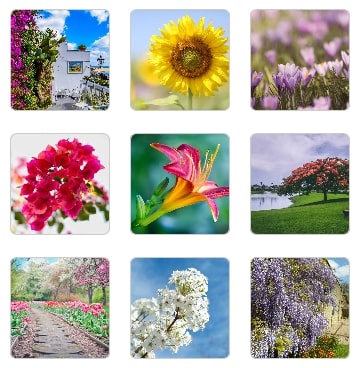
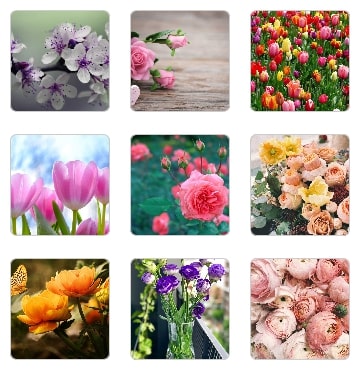
In the tapestry of nature's grandeur, few sights rival the delicate allure of white flower blossoms. These ethereal blooms, with their pristine petals and subtle fragrances, evoke a sense of purity and serenity that captivates the soul. Whether nestled in a verdant garden, adorning a tree branch, or scattered across a meadow like scattered pearls, each white blossom tells a story of beauty and resilience.
**The Elegance of White Blossoms**
White blossoms, in their simplicity, exude a timeless elegance that transcends seasons. In spring, they herald renewal and hope, blanketing orchards and gardens with promises of abundance. Against the backdrop of lush greenery, their purity stands out, drawing admiration and inspiring contemplation. Each petal, a testament to nature's intricate design, delicately unfolds to reveal a pristine heart—a beacon of tranquility amidst life's bustling rhythms.
**Symbolism and Cultural Significance**
Across cultures and centuries, white blossoms have held deep symbolism. They embody purity, innocence, and spiritual enlightenment. In many traditions, they symbolize new beginnings, making them popular choices for weddings and ceremonies. The Japanese revere the cherry blossom (sakura) for its transient beauty, celebrating it with hanami—a tradition of enjoying the blossoms under spring's fleeting embrace. Meanwhile, in Western cultures, white roses symbolize love and reverence, gracing weddings and commemorations alike.
**A Symphony of Fragrance and Form**
Beyond their visual splendor, white blossoms enchant with their subtle fragrances. Jasmine whispers its sweet aroma on warm summer evenings, while magnolia releases its heady perfume in the early morning light. Each bloom adds a unique note to nature's olfactory symphony, inviting us to pause and immerse ourselves in their sensory delights.
**Preserving Nature's Treasures**
As guardians of our environment, we bear a collective responsibility to protect these natural wonders. Climate change and habitat loss threaten the habitats of white blossoms and other flora. By cultivating awareness and advocating for conservation efforts, we can ensure future generations continue to marvel at these exquisite gifts of nature.
**Conclusion: A Call to Appreciation**
In the fleeting beauty of white flower blossoms, we find solace and inspiration. They remind us to cherish life's ephemeral moments and embrace the beauty that surrounds us. Let us cultivate gardens of the soul where these blossoms bloom eternal, and in doing so, nurture a deeper connection to the natural world. As we celebrate their elegance and resilience, may we also pledge to preserve and protect these delicate marvels for generations to come.
In the quiet majesty of white flower blossoms, let us discover the enduring poetry of nature's embrace. Category: Nature - in Blogs
In the tapestry of nature's grandeur, few sights rival the delicate allure of white flower blossoms. These ethereal blooms, with their pristine petals and subtle fragrances, evoke a sense of purity and serenity that captivates the soul. Whether nestled in a verdant garden, adorning a tree branch, or scattered across a meadow like scattered pearls, each white blossom tells a story of beauty and resilience.
**The Elegance of White Blossoms**
White blossoms, in their simplicity, exude a timeless elegance that transcends seasons. In spring, they herald renewal and hope, blanketing orchards and gardens with promises of abundance. Against the backdrop of lush greenery, their purity stands out, drawing admiration and inspiring contemplation. Each petal, a testament to nature's intricate design, delicately unfolds to reveal a pristine heart—a beacon of tranquility amidst life's bustling rhythms.
**Symbolism and Cultural Significance**
Across cultures and centuries, white blossoms have held deep symbolism. They embody purity, innocence, and spiritual enlightenment. In many traditions, they symbolize new beginnings, making them popular choices for weddings and ceremonies. The Japanese revere the cherry blossom (sakura) for its transient beauty, celebrating it with hanami—a tradition of enjoying the blossoms under spring's fleeting embrace. Meanwhile, in Western cultures, white roses symbolize love and reverence, gracing weddings and commemorations alike.
**A Symphony of Fragrance and Form**
Beyond their visual splendor, white blossoms enchant with their subtle fragrances. Jasmine whispers its sweet aroma on warm summer evenings, while magnolia releases its heady perfume in the early morning light. Each bloom adds a unique note to nature's olfactory symphony, inviting us to pause and immerse ourselves in their sensory delights.
**Preserving Nature's Treasures**
As guardians of our environment, we bear a collective responsibility to protect these natural wonders. Climate change and habitat loss threaten the habitats of white blossoms and other flora. By cultivating awareness and advocating for conservation efforts, we can ensure future generations continue to marvel at these exquisite gifts of nature.
**Conclusion: A Call to Appreciation**
In the fleeting beauty of white flower blossoms, we find solace and inspiration. They remind us to cherish life's ephemeral moments and embrace the beauty that surrounds us. Let us cultivate gardens of the soul where these blossoms bloom eternal, and in doing so, nurture a deeper connection to the natural world. As we celebrate their elegance and resilience, may we also pledge to preserve and protect these delicate marvels for generations to come.
In the quiet majesty of white flower blossoms, let us discover the enduring poetry of nature's embrace. Category: Nature - in Blogs
**Embracing the Ethereal: A Celebration of White Flower Blossoms**<br />
<br />
In the tapestry of nature's grandeur, few sights rival the delicate allure of white flower blossoms. These ethereal blooms, with their pristine petals and subtle fragrances, evoke a sense of purity and serenity that captivates the soul. Whether nestled in a verdant garden, adorning a tree branch, or scattered across a meadow like scattered pearls, each white blossom tells a story of beauty and resilience.<br />
<br />
**The Elegance of White Blossoms**<br />
<br />
White blossoms, in their simplicity, exude a timeless elegance that transcends seasons. In spring, they herald renewal and hope, blanketing orchards and gardens with promises of abundance. Against the backdrop of lush greenery, their purity stands out, drawing admiration and inspiring contemplation. Each petal, a testament to nature's intricate design, delicately unfolds to reveal a pristine heart—a beacon of tranquility amidst life's bustling rhythms.<br />
<br />
**Symbolism and Cultural Significance**<br />
<br />
Across cultures and centuries, white blossoms have held deep symbolism. They embody purity, innocence, and spiritual enlightenment. In many traditions, they symbolize new beginnings, making them popular choices for weddings and ceremonies. The Japanese revere the cherry blossom (sakura) for its transient beauty, celebrating it with hanami—a tradition of enjoying the blossoms under spring's fleeting embrace. Meanwhile, in Western cultures, white roses symbolize love and reverence, gracing weddings and commemorations alike.<br />
<br />
**A Symphony of Fragrance and Form**<br />
<br />
Beyond their visual splendor, white blossoms enchant with their subtle fragrances. Jasmine whispers its sweet aroma on warm summer evenings, while magnolia releases its heady perfume in the early morning light. Each bloom adds a unique note to nature's olfactory symphony, inviting us to pause and immerse ourselves in their sensory delights.<br />
<br />
**Preserving Nature's Treasures**<br />
<br />
As guardians of our environment, we bear a collective responsibility to protect these natural wonders. Climate change and habitat loss threaten the habitats of white blossoms and other flora. By cultivating awareness and advocating for conservation efforts, we can ensure future generations continue to marvel at these exquisite gifts of nature.<br />
<br />
**Conclusion: A Call to Appreciation**<br />
<br />
In the fleeting beauty of white flower blossoms, we find solace and inspiration. They remind us to cherish life's ephemeral moments and embrace the beauty that surrounds us. Let us cultivate gardens of the soul where these blossoms bloom eternal, and in doing so, nurture a deeper connection to the natural world. As we celebrate their elegance and resilience, may we also pledge to preserve and protect these delicate marvels for generations to come.<br />
<br />
In the quiet majesty of white flower blossoms, let us discover the enduring poetry of nature's embrace.
<span style='display:none' class='DO NOT REMOVE - THIS CATEGORY CODE WILL BE HIDDEN - IT IS NEEDED TO BE FOUND BY CATEGORY AND ONE-CLICK SEARCH'>Category: Nature - in Blogs</span>
Read more
2
38
0
0